How to write a cookbook pt.2
From vision to final concept. This is the second of two blog posts where I’m sharing my best tips and ideas for pursuing a dream of writing a cookbook!
How to write a cookbook pt 2
Getting creative
Dreaming about pursuing that creative idea? About going from vision to final concept, and to share your ideas with as many as possible through a actual book that you could hold in your hands?
This is the second of two blog posts where I’m sharing my best tips and ideas for pursuing a dream of writing a cookbook. In the first part I went trough how to create the best conditions for getting that book deal in the first place, and in this second post I’ll write about the following creative process. I’ll share some tips and ideas that have helped me during the creative work with my cookbooks - AND during other creative projects too!
So. You’ve got the book deal. This is the point when the fun part really begins if you ask me. When dreams and visions turn in to letters, words and art. The creative journey from vague idea to final concept (both when it comes to books but also other projects) might sound all fantastic, fun, cool and easy going. I’d say most of it is true, but at the same time it can easily be romanticised. There will most likely be times when the creativity is long gone, you doubt your idea, you’ve got serious writers block and get stressed out about the whole thing. Don’t worry, that is part of any creative process. Well, it can be anyway. And you could still end up with a book or whatever your creative dream is all about.
Before we go any further I want you to note; As every creative process looks different there is no right or wrong here - this is just my story and my try to give a glimpse of a world I was (and still am) so curious to enter and discover. Anyway - let’s get going!
From synopsis to script - writing, writing, writing
This is when you go from synopsis to the first pages, the draft, of the book. At this point I’m usually quite all over the place, writing a bit about this and that - just collecting a lot of different ideas and thoughts. In the end not all of these bits makes it to the book - but still all of them are (almost) equally important in the final result I’d say! It’s by writing all of them - and then to preform the classic practise of “kill your darlings” - you end up with the very best part for whatever you want to communicate.
Recipe developing - from taste palette to paper
A few recipes have often been with me since the very first thought of a new book. Other recipes I make up as the process goes and I see what type of recipes I miss in the collection. It can be based on a veggie that I want to highlight or something I want to add inspired by what I had at lunch put on town the day before.
Every cookbook often has it’s own specific theme (which would be specified in the synopsis) which usually affects what kind of recipes I take in. I often start with writing down a few ingredients that I want to include in a certain recipe - and then get cooking to set the actual recipe.
Some recipes in my books where made up during the actual photoshoots for the books. Maybe I got an idea that I liked - cooked something according to it and a few months later was happy to see it in the book.
No matter what works best for you it’s important to make sure that you have a certain “melody”/language throughout your recipes - both when it comes to how you write them (from ingredient list to “how to”) but also making sure servings are corresponding to the rest of the recipes. Could be a thing such as making sure the serving sizes are the same throughout the recipes.
Text cooking - Finding your thing
As soon as I have a bunch of recipes in mind I move from my computer to my kitchen desk. I’m then cooking, tasting, cooking again, trying a new spice, tasting, inviting friends over to taste new creations. And so it continues.
Some recipes that are in my books I’ve cooked or baked many, many times. Some only needs a tiny touch and some recipes even develops during the photoshoot as mentioned above. It’s a mix that I’ve found works well for me! I appreciate books with recipes that I could easily recognise as a recipe for that certain book. Therefore it’s important for me to follow my “recipe language”, to find my thing, to make sure all of my recipes follow my concept.
The photos - cooking, plating and styling
Sometime between the first draft and deadline it’s time for the photoshoots. And HOW I love this part! Usually we spend between 6-10 days of taking the photos. Before all of my photoshoots - no matter if it’s for a book or an article or a commercial project - I tend to create a mood board. Pinterest is my favourite tool to get going. Creating a mood board is my favourite way to set a specific theme, collect my ideas and also make sure all the creators involved have the same setting in mind. Before shooting I also collect lots of different textiles, ceramics, cutlery, glasses and other pretty things to get all creative with for the photos.
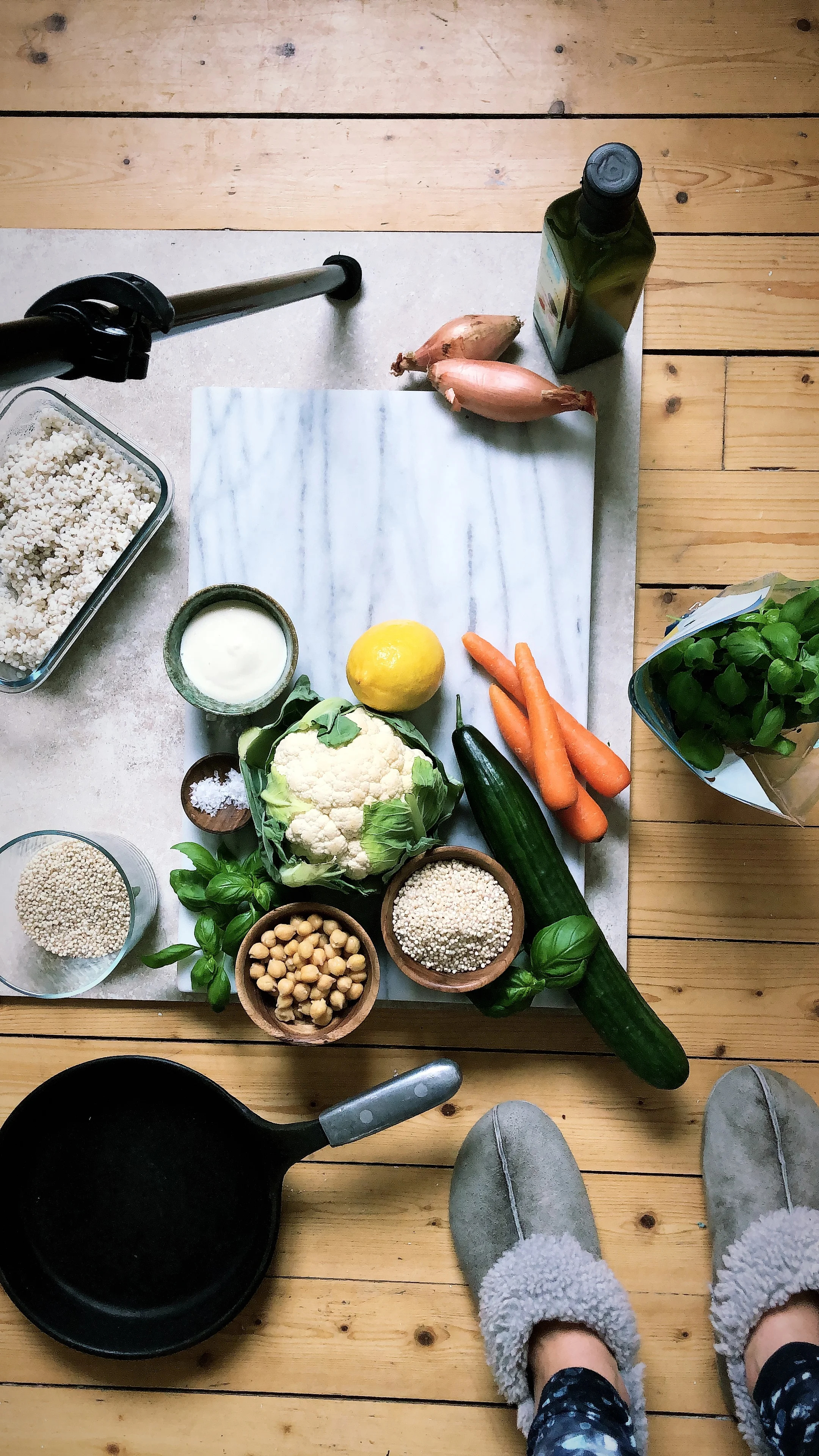
For my books me and photographer Fanny Hansson have mostly been at home in either her or mine apartment, sitting on the floor in comfy clothing, shooting all days. I’m cooking, plating and styling - she’s capturing it all like the star she is. It’s all very unglamorous but OH so much fun! Fanny, then takes care of the whole photo part. I let her know the name of all dishes and she makes sure my designer gets them and puts them in the design.
Editing + creating the design
The editing part looks very different depending on project. During the book projects where I’ve been the writer and recipe creator I’ve had very close contact with both my publisher Cecilia Viklund and editor Åsa Karsberg to make sure that the script gets as great as possible. Usually I’d write the whole script, whereupon my great editor then lays her magical hands on it and together we work on the texts and recipes to make sure the book turns out as great at possible. My During the whole process there is also a designer involved. Anna Ågren is the one who designed both my books, and she’s doing the great work of putting all texts and photos and visions in to what in some magic way then turns out to be a book.
The waiting
Then the whole thing is being sent to the printer, and some weeks later the very first copy of the book is sent home to you. It’s an extra ordinary feeling!
4 tips for a creative project
Have a plan - set your milestones
Setting a few milestones/deadlines/notes/whatever you want to call it in your calendar might help you to avoid realising you have heaps of things to finish when the actual deadline is only a few days ahead. Somehow something that seemed so far away tends to get closer in time quicker then you think…Especially when working on other projects at the same time planning and setting small milestones is key.
Bring a notebook - wherever you go
Ideas might surprise you at anytime, make sure to not forget them by writing them down as soon as they appear. Maybe it’s a combination in a certain dinner that you just had at a friends, an interesting question you want to write about in your book or a whole new project you want to start working on. Or maybe it’s just a sweet reminder for yourself. There should always be time for some self love.
Be structured - but let your mind wander
Have an open mindset and welcome the possibility to discover new ways to do what you first had in mind. Be unpretentious, listen to other peoples ideas.
HAVE FUN
This is probably the most important thing. Have fun, create for you- because when it comes from your heart others will most likely enjoy it as well!
How to write a cookbook pt.1
Ever been dreaming of writing a book? In this first blog post - in a series of two - I share my tips, thoughts and ideas for sealing the deal - pursing a dream of creating that special book that the world is waiting for!
How to write a cookbook
Part 1 - How to get a book deal
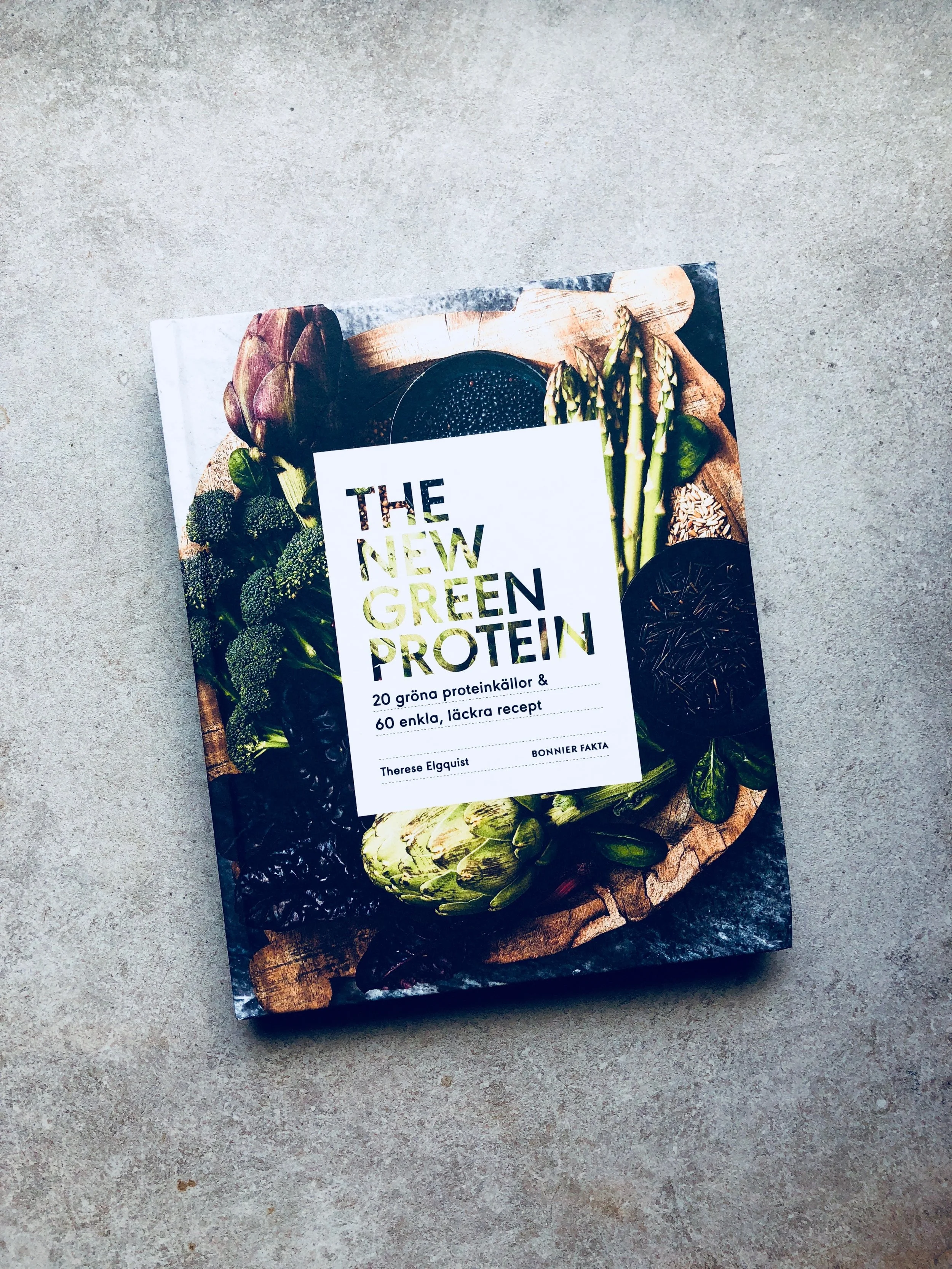
I remember everything about the moment I got my first book deal. I remember the email from my dear publisher writing I got the deal. I remember where I was, what I was wearing, what I did, who I first spoke to. How it felt. For me it was a dream come true, a “confirmation” that I had something really interesting going (as in my take on plant based food) and a possibility to reach out to a lot of people - sharing my food philosophy and love for food in more ways that I could ever imagine.
“Congratulations and welcome to the Bonnier Fakta family!”
- Subject line of the email from my publisher saying we just “sealed the deal” two years ago
Quite often I get the question “How should one do if one wanted to write a cookbook?” and “How does it really work with writing a cookbook?”. So I thought; let’s write it down in the hopes of giving a hand to all of you who have a dream about writing that lovely cookbook. It can be hard knowing where to start, I know that for sure as I didn’t know much at all about the industry when I first started to realize that dream of mine.
This is the first part in a series of two blog posts (might be a couple more - who knows!) where I’ll be sharing my best tips and ideas for pursuing a dream of writing a cookbook*. In this first part I’ll go trough how to create the best conditions for getting that deal in the first place, and in the second post I’ll write about the following creative process and share some tips and ideas that have helped me during the creative work with my cookbooks (AND other creative projects, too!).
Before we start - a few of my own notes on/experiences of the whole business that could be good to take on. Today cookbooks are usually very much in to one specific theme or focus. Cookbooks that are very clear on what they want to bring about, and what the reader can expect from them are often popular ones. Therefore, finding that special subject - that isn’t out there yet - can be the “make it or brake it” for your idea.
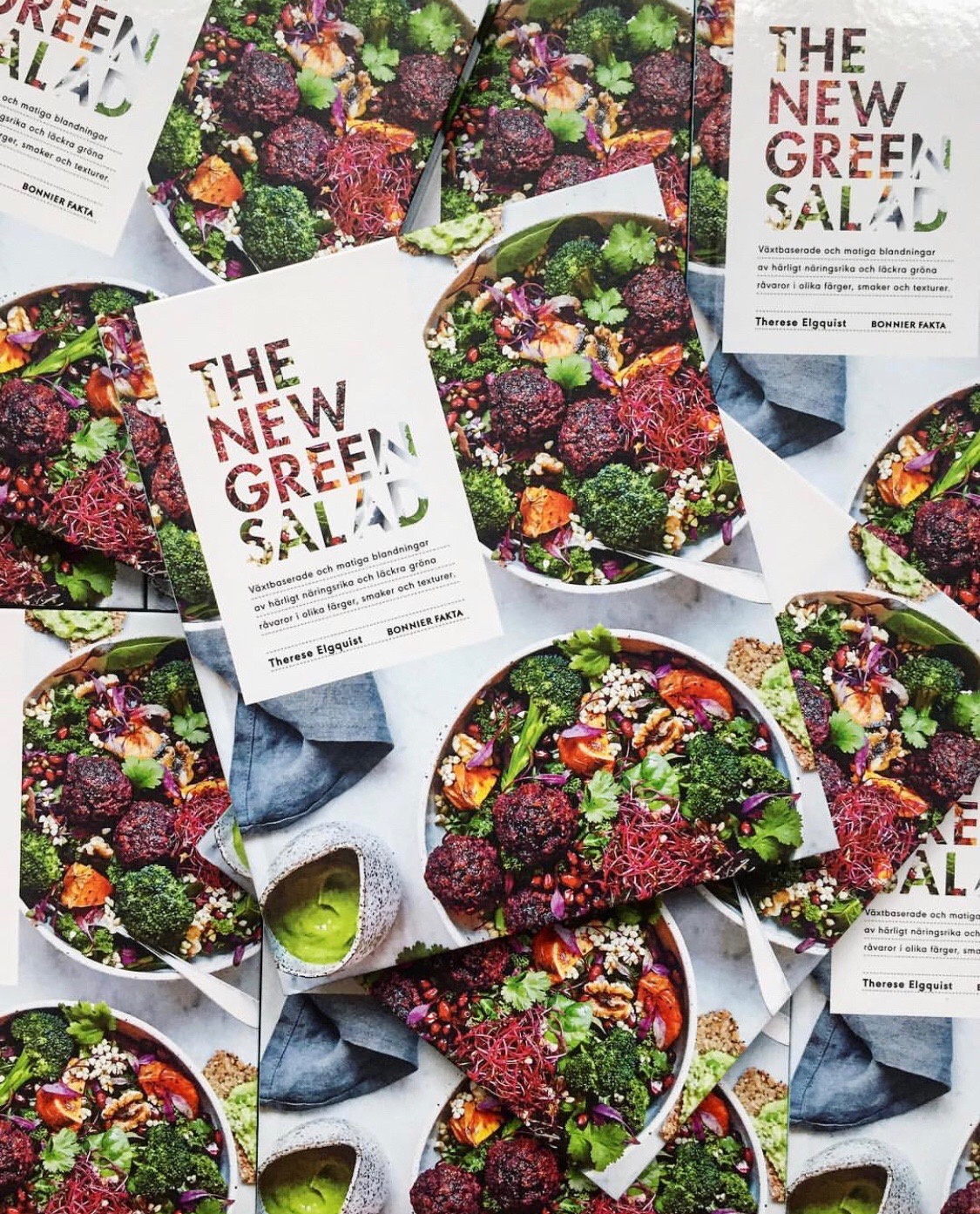
And what else. My perception is that people like buying a concept. Not only a book but a whole concept - where the book is a part. Furthermore I’d recommend to also consider thinking even bigger - start creating your concept - when working on your book idea. To take an example; my concept is “The new green” - which is not only in the title of both my cookbooks but also a way of talking, writing, creating and breathing plant based food in a “new”, creative way. I’ve created a concept around it (and I’m stil doing it, every day), are constantly coming back to that concept whenever I’m thinking about new projects. In other words my concept - my brand - permeates most of the things I do. This is to create a space and lifestyle that I hope resonates with and inspires people.
You probably don’t have to think this big when writing your first book, I’m sure there are people doing it in totally different ways - but I wanted to share it with you as this has been working for me!
ANYWAY, on to the juicy bits which I believe you’re here for. To make it easy I’ve written down five steps which will help you to get on with the work. AND, I’m sure you can find them useful in a bunch of different occasions other then writing books (so have I!). It’s really about collecting what’s in your mind, and to get goding. Anyway, again. Find them below!
5 steps on getting a book deal
By Thess
Come up with an idea
First of all you need an idea. I find that the best ideas (or at least the ones with the best chances in a process like this one) are the ones that you truly believe in, that really describes your food philosophy and what you want to bring out there. Those are ideas that I have found often comes naturally, without you having to think too much.
Scan the market(s)
In this stage it’s also very important to scan the market. Both in you market (country) but also in other markets (other countries) as the book industry today is a worldwide business. If there’s already a book similar to the one you’re thinking about out there somewhere it reduces the chances for your book being published even in your own country. Plus. The idea of your book being translated in to other language is quite exciting, isn’t it? Much more likely if there isn’t a similar one already out there.
Make sure you’re well engaged in the market to make sure you’re not putting a lot of effort in to something that is already exciting.
Once you’ve all set on your idea you can start to develop it - this is where the fun bit really starts!
Write a synopsis
A synopsis is a written presentation of your idea, which will be a part on the proposal to a publishing company. To get going I tend to proceed from a few questions. The questions helps me to put words on all the ideas in my head, and to clarify them to make someone else understand the greatness of them (which, sometimes might be a bit tricky…).
What is special with your idea?
How does it differ from existing ideas/books on the market?
Why does the market needs your idea/book?
What will your book do to the ones reading it?
Make sure to do this part carefully, it’s really important to be clear on your idea. Once you’re all set on these bits you are good to go on, and can now start being more specific regarding what the recipes will look like, creating a mood board with photos that shows what you want to create etc. Write down a few recipes, test cook them if you’re not confident they will fly. I find that the publishing companies more often then not want a brief picture of this part (recipes, not all but some, and photo inspiration) too.
Ps. Note that if you do proceed on and get that book deal your publisher/editor/designer/other creative and nice people at the publishing company will develop your idea with you - so nothing is set in stone. But I find it very useful to have a very specific basic idea to start, which you feel very strongly for.
Get in touch
When you’re all set and are happy with your idea and your synopsis it’s time to reach out - to get in touch. Find a publishing company that you like and that you think would publish a book just like yours (for example some publishers don’t publish cookbooks - and those particular publishers shouldn’t, as a suggestion, take any of your time).
Visit the publishing company’s website to get the contact information and information on how to send in your idea. How they want you to do it (when etc, some companies have “auditions” where you can get the chance on meeting a group of publishers first hand, for example) might differ from company to company, but it’s always a good idea to write a well taught out personal letter describing yourself that you send in with the synopsis. Then comes the waiting.
Don’t give up
If you do have a great idea it’s worth fighting for. Getting a no at the first place you’re sending your proposal doesn’t mean no-one else won’t believe in your idea. Go on and try with another publishing company if the first one nicely declined your proposal.
So remember; don’t give up - live and love your idea, but be open minded and allow it to be shaped according to inputs from people in the business/as you develop your original idea. That is just a natural creative process.
Don’t give up!
Almost there
The next part in this series; “Pt. 2 Geting creative” will be up on the blog next week. Stay tuned for my best ideas on how to set up a creative space where you can create magic! Ps. It can also be applied to other creative works - not only writing a cookbook!
I hope you’ve liked this post, and that it gave you some ideas and inspiration. I’m sure there are many different ways to getting that book deal, but this was what was working for me. Hope it resonates with you! Would love to read your comments in the field below!
Take care, and GOOD LUCK!
X
Thess
* Note that my writing is based on working on getting a book deal in Sweden, as that is where I’ve got my ones. The process may differ in different countries. For example: In Sweden it’s possible to get e deal without the help from an agent, which I know to be more of a rule than an exception in other countries.


Vivamus pellentesque vitae neque at vestibulum. Donec efficitur mollis dui vel pharetra.